3D Illustration of Fast Food Restaurant: A Versatile Design Tool for Modern Creators
When you're trying to visualize a fast food restaurant without stepping into one, a 3D illustration of a fast food restaurant can be incredibly useful. These digital renderings bring the concept of quick-service dining to life in a way that traditional 2D images or sketches simply can’t. Whether you’re designing a website, creating marketing materials, or planning a new business space, these illustrations offer a realistic and adaptable solution.
What Is a 3D Illustration of a Fast Food Restaurant?
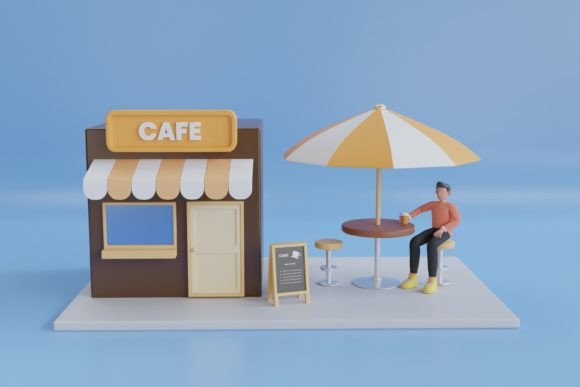
A 3D illustration of a fast food restaurant is a detailed digital image created using 3D modeling software. It shows the interior or exterior of a typical fast food outlet, complete with elements like counters, menus, seating areas, signage, and even customers. Unlike static photos, these illustrations can be customized—colors, furniture, layout, and branding can all be modified to suit your needs.
These designs are usually available in common formats such as JPG and PNG, making them easy to use across different platforms. They are scalable, high-quality, and often come with transparent backgrounds, which adds to their flexibility.
Why Use a 3D Illustration of a Fast Food Restaurant?
There are many reasons why professionals and creatives choose 3D illustrations over real photographs or hand-drawn concepts. For one, they allow for complete control over every visual element. You can tweak lighting, change decor, or add custom branding without needing access to an actual restaurant location.
Additionally, 3D illustrations can help save time and money. Instead of staging a photo shoot or building physical mockups, you can generate multiple versions quickly. This makes them ideal for presentations, proposals, and iterative design processes.
Real-World Uses Across Different Fields
- Marketing and Advertising: When promoting a new fast food chain or menu item, a 3D illustration of a fast food restaurant provides a clean and engaging backdrop. Marketers can place products in context, helping customers imagine how items look and feel in a real setting.
- Web Design and UI/UX: Website developers often need placeholder images for mockups. A 3D illustration of a fast food restaurant can serve as a background for landing pages, app interfaces, or interactive kiosks related to food service businesses.
- Interior Design and Planning: Architects and designers use these visuals to present restaurant layouts to clients. By customizing the illustration, they can showcase different themes, seating arrangements, or brand identities before construction begins.
- Education and Training: Culinary schools and hospitality programs may use 3D illustrations to teach students about restaurant workflows, ergonomics, and customer interaction scenarios in a virtual environment.
- Content Creation and Blogging: Lifestyle bloggers or food influencers can incorporate 3D illustrations into articles or social media posts to explain the fast food industry, review chains, or share tips on healthy eating on-the-go.
How Can Entrepreneurs Benefit from This Resource?
If you're launching a new fast food business or rebranding an existing one, having a 3D illustration of a fast food restaurant can give you a competitive edge. It allows you to pitch your vision clearly to investors, partners, or potential franchisees. For instance, when presenting a business plan, you can show a futuristic or modern take on a fast food layout to highlight innovation and customer experience.
Moreover, if you're looking to create promotional content online, these illustrations can help you design eye-catching banners for Google Ads or Facebook campaigns. The ability to change colors, fonts, and logos within the scene means you can tailor each ad to match specific branding guidelines or seasonal promotions.
Use Cases for Freelancers and Small Business Owners
Freelance graphic designers often work with clients who need imagery for websites, apps, or print materials. A 3D illustration of a fast food restaurant is a valuable asset because it can be used across multiple projects. Here’s how:
- Website Mockups: Showcasing a restaurant’s ambiance or layout visually helps clients understand the final product before development starts.
- Social Media Content: Use the illustration as a base for promotional posts, infographics, or educational content about food trends or nutrition facts.
- Print Materials: From flyers to posters, a well-designed 3D illustration ensures your printed material looks professional and on-brand.
- Virtual Tours or Augmented Reality Experiences: Combine the illustration with interactive tools to give users a sense of walking through a fast food restaurant virtually.
Customization Tips for Maximum Impact
One of the key advantages of a 3D illustration of a fast food restaurant is its adaptability. However, not all users will know how to modify it effectively. Here are some practical tips:
- Change Branding Elements: Swap out logos, color schemes, and signage to reflect your client's brand identity.
- Edit Layouts: Adjust the placement of tables, counters, and staff to experiment with different spatial designs.
- Add Contextual Details: Include specific menu items or promotional signs to highlight what's being advertised or sold.
- Use Transparent Backgrounds: PNG files are especially useful for overlaying the illustration onto other graphics or websites seamlessly.
For example, a small business owner might use a 3D illustration to create a sample layout for a pop-up food truck event. By tweaking the colors and adding temporary signage, they can present a cohesive and attractive visual to event organizers or sponsors.
Considerations Before Choosing a 3D Illustration
Before you download or purchase a 3D illustration of a fast food restaurant, there are a few important factors to consider:
- Quality and Resolution: Make sure the illustration is high-resolution enough for your intended use—especially if it'll appear on large billboards or in print.
- License Type: Check whether the file comes with a commercial license if you plan to use it for paid projects or sales-related content.
- File Format: JPG files are great for most web use, but if you need transparency or layers, go for PNG or editable vector files (if available).
- Style and Realism: Choose an illustration that matches the tone of your project—some are stylized, while others are photorealistic.
Also, consider how much editing you’ll need to do. If you don't have advanced design skills, opt for pre-made illustrations that require minimal tweaks. On the other hand, if you're a designer comfortable with tools like Blender or Photoshop, you can look for more customizable models or source files.
Where to Find and How to Use It
Many design marketplaces and stock image sites offer ready-to-use 3D illustrations of fast food restaurants in JPG and PNG formats. Some even provide layered PSD files or editable 3D models for more advanced users. Once you've downloaded the illustration, you can import it into your favorite design software and start modifying it to fit your project.
For example, if you're working on a mobile app for food delivery, you might use the illustration as part of a tutorial screen showing users how to navigate the app while in a simulated restaurant setting. Or, if you're a blogger talking about urban food culture, you could embed the image into a post with annotations explaining different parts of the fast food experience.
Connecting Features to Outcomes
The best 3D illustrations of fast food restaurants aren't just visually appealing—they deliver real outcomes. Let's break down how certain features translate into benefits:
- High-Quality Resolution: Ensures your banners, posters, or website headers look sharp and professional at any size.
- Transparent Background: Makes it easy to integrate the illustration into existing designs or backdrops without extra work.
- Scalable Elements: Lets you adjust components like chairs or menus to better represent your message or branding.
- Customizable Colors and Fonts: Helps maintain brand consistency across all visual assets.
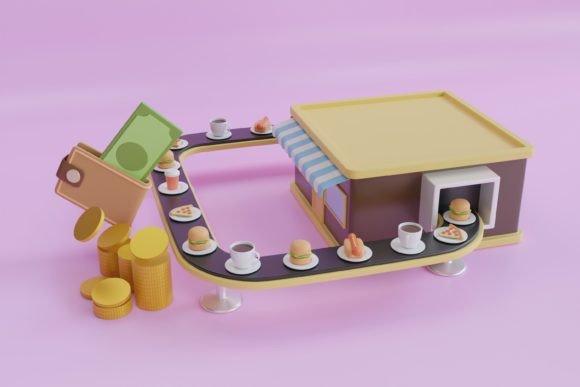
Imagine you're a UX designer tasked with illustrating a food delivery interface. With a 3D illustration of a fast food restaurant, you can show the app's functionality in context—like how orders move from the counter to the kitchen. This kind of visualization helps stakeholders grasp complex workflows at a glance.
Realistic Scenarios Where This Design Shines
Here are a few everyday situations where a 3D illustration of a fast food restaurant proves to be a game-changer:
- Restaurant Concept Presentations: Pitching a new theme or layout becomes easier with a visual that captures the essence of the idea.
- Menu Design Mockups: Show how a redesigned menu would look in the restaurant by placing it digitally in the right spot in the illustration.
- Training Materials: Create instructional guides for employees using a visual reference to demonstrate station setups or customer flow.
- Event Planning: Visualize how a restaurant might be transformed for a special event or themed promotion.
Take the case of a marketing agency launching a campaign for a local burger joint. Using a 3D illustration, they can create a series of ads that feature the same restaurant design but with varying promotional angles—like happy hour deals or kids' meal bundles—without needing to visit the location or hire photographers.
Conclusion
In today’s digital-first world, a 3D illustration of a fast food restaurant is more than just a pretty image—it’s a functional tool that supports creativity, clarity, and communication. Whether you're in marketing, design, education, or entrepreneurship, this resource can help you convey ideas more effectively and professionally.
By choosing the right illustration and knowing how to customize it, you can turn a generic JPG or PNG into a powerful asset tailored to your exact needs. So next time you're working on a food-related project, remember that a 3D illustration might just be the visual bridge between your idea and your audience’s understanding.