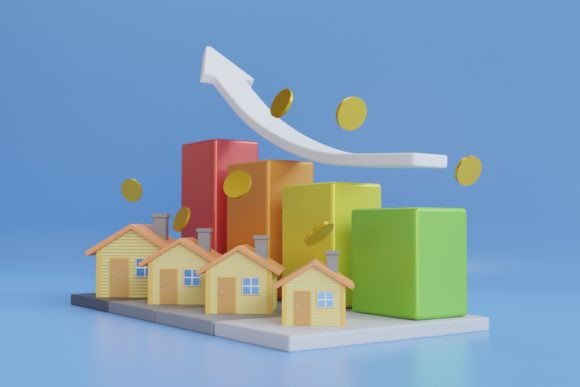
3D Illustration of Growth in Real Estate: Strategic Use for Impactful Visual Communication
In the fast-evolving world of real estate, visual storytelling has become a critical component of effective marketing and communication. One powerful tool that professionals are increasingly leveraging is the 3D illustration of growth in real estate. This type of design captures the essence of expansion, development, and progress in a visually compelling way. Whether you're showcasing property portfolios, planning urban developments, or promoting investment opportunities, 3D illustrations can help you convey complex ideas with clarity and impact.
What Is a 3D Illustration of Growth in Real Estate?
A 3D illustration of growth in real estate typically involves creating digital visuals that represent the trajectory of property values, market trends, or developmental projects over time. These illustrations may include elements like rising buildings, expanding cityscapes, upward-trending graphs integrated into architectural designs, or stylized representations of financial metrics within a spatial context. The goal is to depict growth not just numerically but spatially and emotionally, making it easier for audiences to visualize potential and success.
Such illustrations are commonly delivered in high-resolution formats like JPG and PNG, which makes them versatile for use in websites, banners, promotional materials, UI/UX design, posters, and more. Their adaptability ensures they can be tailored for both digital and print applications, enhancing their strategic value across multiple platforms.
Strategic Advantages of Using 3D Illustrations
The thoughtful integration of 3D illustration of growth in real estate can support various business objectives. Here’s how:
- Goal Setting and Planning: A well-crafted 3D illustration can serve as a visual roadmap, helping stakeholders understand long-term goals and the steps required to achieve them. For example, developers might use such an illustration to show how a site will transform from raw land to a fully constructed commercial hub.
- Market Positioning: In competitive markets, standing out requires creativity. A 3D illustration that symbolizes growth can reinforce a brand's position as forward-thinking and innovative.
- Client Communication: Investors and clients often struggle to grasp abstract concepts like ROI or future returns. By embedding these ideas into a 3D illustration, you make them tangible and relatable.
- Branding and Messaging: Consistently using 3D illustration of growth in real estate across your promotional content helps build a strong visual identity around themes of progress and stability—key attributes in the real estate sector.
- Productivity and Creativity: Designers and marketers can streamline their creative workflows by reusing these illustrations in different contexts, from website headers to social media posts, saving time while maintaining visual consistency.
Real-World Applications and Use Cases
Let’s explore some practical examples where 3D illustration of growth in real estate delivers measurable results:
1. Website Banners and Landing Pages
When launching a new property development or investment opportunity, a banner featuring a 3D illustration of growth can immediately communicate the project's potential. Imagine a banner showing a city skyline evolving over time—each building representing a phase of development. This not only attracts attention but also builds anticipation and trust.
2. Marketing Collateral
Brochures, flyers, and email newsletters benefit greatly from the inclusion of 3D illustrations. For instance, a real estate agent could incorporate a growing tree motif alongside property images to suggest long-term appreciation and stability. This subtle symbolism enhances the emotional appeal without being overt.
3. Urban Development Presentations
Municipal planners and developers often need to present complex data to decision-makers. A 3D illustration that shows projected population increases, infrastructure improvements, and property expansions can simplify these discussions and align expectations among stakeholders.
4. Branding and Logo Design
Some companies embed 3D growth motifs into their logos or brand assets to signify ambition and progress. This is especially common among real estate startups and firms specializing in commercial property investments. The consistent use of such imagery across all touchpoints reinforces brand messaging and recognition.
5. Social Media and Content Marketing
On platforms like Instagram, LinkedIn, or YouTube, 3D illustrations can break up text-heavy content and add visual interest. A post titled “Why Invest in [City]?” accompanied by a dynamic 3D illustration of rising property values can generate higher engagement and shares.
How to Approach 3D Illustration of Growth in Real Estate Effectively
To maximize the benefits of this design format, consider the following strategic approach:
- Define Clear Objectives: Before commissioning or sourcing a 3D illustration of growth in real estate, ask yourself what message you want to send. Are you highlighting market trends? Showcasing a company's trajectory? Or promoting a new property launch?
- Align with Your Audience: Different demographics respond to different visual cues. Entrepreneurs may appreciate a sharp, data-driven look, while homebuyers might connect more with warm, aspirational imagery. Tailor your illustrations accordingly.
- Ensure Contextual Relevance: An illustration should never stand alone without supporting context. Pair it with concise copy that explains the story it tells. Avoid letting the image speak for itself if the narrative isn’t clear.
- Optimize for Multiple Formats: Choose high-quality JPG or PNG files that retain detail when resized. This ensures your illustration looks professional on everything from mobile screens to large-format posters.
- Test and Refine: Monitor how your audience responds to different versions of the illustration. A/B testing can reveal whether a particular style or element resonates better, allowing you to refine your approach based on real feedback.
Risks of Random Implementation
While 3D illustration of growth in real estate can enhance communication, using it without strategy can lead to confusion or missed opportunities. Some risks include:
- Overcomplication: Too many visual elements can distract from the core message. If your illustration tries to show too much at once, it may dilute its effectiveness.
- Irrelevant Symbolism: Not every audience interprets growth symbols the same way. What seems like a clear metaphor to you may be misunderstood by others.
- Low-Quality Assets: Poor resolution or awkward proportions can damage your credibility. Always prioritize quality when selecting or creating 3D illustrations.
- Lack of Integration: If the illustration doesn't align with your overall brand or campaign, it may feel disjointed. Ensure it fits seamlessly into your existing visual language.
To avoid these pitfalls, start with a clear brief and involve your design team early in the planning process. This ensures alignment between your message and your medium.
Decision-Making Guidance for Marketers and Developers
Here are key questions to guide your decision-making when considering the use of 3D illustration of growth in real estate:
- What specific growth metric do I want to highlight—price appreciation, occupancy rates, or geographic expansion?
- Who is my primary audience, and how will they interpret this visual?
- Do I have the resources to integrate and maintain this illustration across different channels?
- Will this illustration support the tone and message of my campaign or presentation?
Answering these questions upfront can help you choose the right illustration style and ensure it serves a purpose beyond aesthetics.
Long-Term Value and Learning Opportunities
Investing in 3D illustration of growth in real estate isn’t just about immediate visual appeal—it’s also about long-term value. As you reuse these assets across campaigns, you’ll begin to notice patterns in audience response and brand perception. Over time, this insight allows you to fine-tune your visual strategy and create more impactful content.
Additionally, these illustrations can serve as educational tools. For example, a real estate blog could use a series of 3D visuals to explain how zoning changes affect property growth over time. The visual nature of the explanation makes it easier for readers to grasp and remember key points.
Planning Tips for Effective Deployment
To get the most out of 3D illustration of growth in real estate, follow these actionable tips:
- Use it Sparingly: Don’t overwhelm your content with too many illustrations. Focus on one or two key moments where visual storytelling adds the most value.
- Pair with Data: Combine the illustration with charts, graphs, or infographics to provide a balanced view. This supports your visual claims with factual evidence.
- Consider Color Psychology: Use color schemes that evoke confidence and optimism—think greens for growth, blues for stability, and golds for premium value.
- Stay Authentic: While the illustration should be eye-catching, it must remain grounded in reality. Misleading visuals can backfire and erode trust.
Final Thoughts on Strategic Use
As real estate continues to shift toward digital-first strategies, the ability to communicate growth through compelling visuals becomes more important than ever. The 3D illustration of growth in real estate is a versatile and effective tool when used intentionally. It bridges the gap between data and emotion, helping you connect with your audience on a deeper level.
Whether you’re a marketer crafting a new campaign or a developer presenting a proposal, let the illustration reflect your vision clearly and confidently. With careful planning and execution, it can become a cornerstone of your visual communication strategy.