3D Investment Ideas in Real Estate: A Modern Approach to Property Evaluation and Promotion
Real estate investment has long been a cornerstone of wealth-building strategies. However, as technology continues to evolve, so do the tools and methods used to evaluate and promote properties. One such innovation is the use of 3D Investment Ideas About Real Estate, which leverages three-dimensional visualization techniques to enhance decision-making, marketing, and overall project planning in the real estate sector.
What Are 3D Investment Ideas About Real Estate?
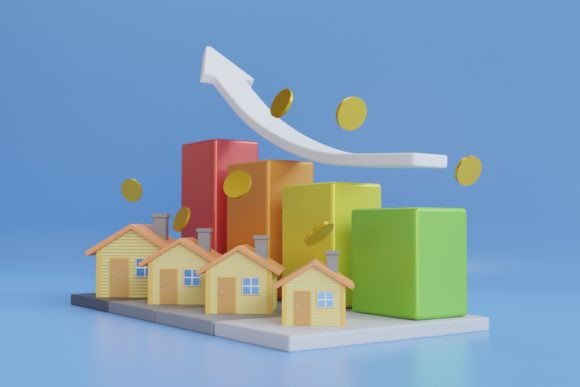
3D Investment Ideas About Real Estate refer to the application of 3D modeling and visualization technologies in property development, marketing, and investment analysis. These ideas can include creating virtual tours, rendering architectural designs, simulating property layouts, or using interactive 3D models to showcase potential returns on investment. Typically presented in formats like JPG or PNG, these visuals can be further developed into immersive experiences for digital platforms.
This approach allows investors, developers, and buyers to explore properties in a more detailed and realistic way before making any physical or financial commitments. It’s especially valuable in scenarios where a property is still under construction or when evaluating large-scale developments that require complex spatial understanding.
Why Investors Might Be Interested in 3D Real Estate Visuals
- Enhanced Visualization: 3D models help stakeholders see beyond blueprints and understand how a space will look and function once completed.
- Remote Decision-Making: With high-quality 3D images and virtual environments, investors can assess properties from anywhere in the world without needing to visit the site.
- Better Marketing Appeal: Properties with 3D visuals tend to attract more attention online, increasing engagement and potentially speeding up sales or lease agreements.
- Cost Savings: Early-stage 3D modeling can reduce costly changes during construction by identifying design flaws or inefficiencies ahead of time.
Key Benefits
- Improved Communication: 3D models make it easier to communicate with architects, contractors, and clients by providing a clear visual reference.
- Higher Engagement: Whether used for websites, social media promotions, or presentations, 3D content increases user interaction and interest.
- Time Efficiency: Designers and developers can iterate through multiple versions of a layout quickly, reducing the time spent on revisions.
- Competitive Edge: In a crowded market, properties that utilize 3D visuals stand out and often command higher valuations due to their presentation quality.
Potential Tradeoffs
- Initial Cost: High-quality 3D modeling can be expensive upfront, especially for small-scale investors or startups with limited budgets.
- Technical Expertise Required: Creating and managing 3D content may require specialized software or collaboration with skilled designers.
- Not Always Necessary: For well-established markets or simple residential properties, traditional photos and floor plans might suffice without the need for 3D enhancements.
Considerations Before Adopting 3D Investment Ideas
Before investing in 3D solutions for real estate, consider the following factors:
- Project Type: Is your investment in commercial real estate, residential developments, or mixed-use properties? Some projects benefit more from 3D visualization than others.
- Target Audience: Will potential buyers or renters engage more with 3D visuals? Younger demographics and tech-savvy investors are typically more responsive.
- Platform Use: Where will the 3D content be deployed? Websites, mobile apps, VR headsets, or promotional materials each have different requirements and effectiveness levels.
- Return on Investment (ROI): Evaluate whether the cost of producing 3D content aligns with expected gains, such as faster sales, premium pricing, or increased investor confidence.
Situations Where 3D Investment Ideas Shine
3D Investment Ideas About Real Estate are particularly effective in the following situations:
- New Developments: When showcasing speculative builds or pre-construction properties, 3D models can give investors a clear picture of the finished product.
- High-End Properties: Luxury homes or commercial spaces often justify the added expense of 3D visuals to highlight unique features and design elements.
- International Markets: If you're targeting global investors, 3D visuals can bridge language and cultural gaps by offering an intuitive visual representation.
- Renovation Projects: When planning renovations or redevelopments, 3D renderings can illustrate proposed changes and their impact on the final outcome.
When Alternatives May Be More Practical
While 3D visualization offers many advantages, there are instances where alternative approaches could be more suitable:
- Low-Budget Campaigns: Traditional photography and video walkthroughs may be more cost-effective for smaller properties or tight timelines.
- Short-Term Rentals: Platforms like Airbnb or Vrbo might not always prioritize 3D content unless it's part of a larger branding strategy.
- Established Communities: In mature neighborhoods where buyers are familiar with the area, 3D visuals may not add significant value over standard listings.
- Regulatory Constraints: Some jurisdictions have strict rules about digital representations of property; ensure compliance before implementing 3D models.
Practical Insights for Real Estate Decisions
When deciding whether to incorporate 3D Investment Ideas About Real Estate into your strategy, keep these insights in mind:
- Start with a pilot project to test the waters. Use 3D visuals on one property and track engagement metrics to determine if it justifies the cost.
- Collaborate with experienced 3D designers who understand real estate trends. Their expertise can maximize the usefulness and appeal of the models.
- Integrate 3D content across multiple channels—website, social media, email campaigns, and investor presentations—to maintain consistency and increase visibility.
- Consider the scalability of your 3D strategy. Can you handle the production of 3D models for multiple units or properties without compromising quality or budget?
Aligning 3D Investment Ideas with Your Goals
To determine if 3D Investment Ideas About Real Estate align with your investment goals, ask yourself these questions:
- Do I want to improve my property's digital presence and attract more qualified leads?
- Is my target audience likely to respond positively to immersive or interactive content?
- Can I afford the initial investment in 3D design while still maintaining profitability?
- Am I looking to differentiate my brand in a competitive market?
If you answered yes to most of these, then integrating 3D visuals into your real estate investment plan could be a smart move. On the other hand, if your focus is on quick turnover or low-cost entry-level properties, simpler marketing tools may be more appropriate.
Final Thoughts on 3D Investment Ideas in Real Estate
The rise of digital tools in real estate has opened new doors for investors to innovate and connect with potential buyers. 3D Investment Ideas About Real Estate represent a powerful shift in how we visualize, market, and analyze properties. They offer depth, clarity, and interactivity that can transform both the investment process and buyer experience.
However, success with 3D investment concepts depends on thoughtful implementation and alignment with business objectives. By weighing the benefits against the costs and considering your specific needs, you can decide whether this modern tool is the right fit for your real estate ventures.