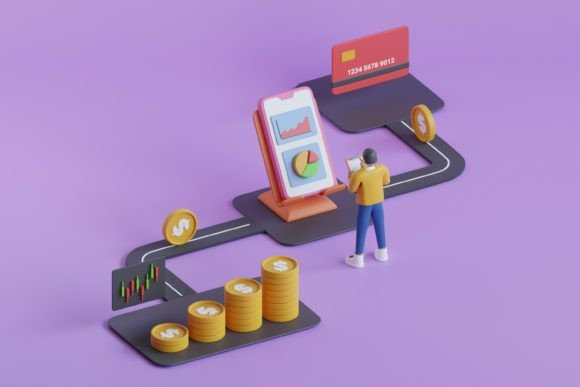
3D Render of Cash Flow or Money Transfer: Visualizing Financial Concepts in 3D
In today’s fast-paced digital world, visual content plays a crucial role in communication. When it comes to explaining complex financial ideas like cash flow and money transfer, traditional methods can sometimes fall short. This is where the 3D render of Cash Flow or Money Transfer steps in — offering a dynamic, engaging, and easy-to-understand way to represent financial processes. Whether you're designing for marketing, education, or business strategy, these visuals bring clarity and impact.
What Is a 3D Render of Cash Flow or Money Transfer?
A 3D render of Cash Flow or Money Transfer is a digital illustration that visually represents the movement of funds between entities using three-dimensional graphics. These renders often show abstract elements like flowing streams of money, arrows, icons, and animated transitions between accounts, systems, or individuals. The design typically uses modern aesthetics such as glowing effects, smooth animations, and layered structures to emphasize growth, exchange, or circulation of capital.
These types of images are usually delivered in popular formats like JPG or PNG, making them versatile for use in both static and digital platforms. Unlike basic flat illustrations, 3D renders add depth and realism, helping viewers grasp the concept more intuitively.
Real-World Use Cases Across Industries
Let’s explore how professionals from various fields can leverage this design:
- Finance and Accounting: A 3D render of cash flow can be used in reports, presentations, or training materials to explain how money moves in and out of a business. It helps stakeholders visualize income, expenses, and net profit in a way that’s more digestible than spreadsheets.
- Marketing and Advertising: For promotional campaigns focused on payment gateways, investment apps, or banking services, a 3D money transfer graphic can serve as a powerful visual metaphor. It adds a sense of professionalism and innovation to your brand message.
- UI/UX Design: Developers and designers often need to convey financial concepts without text. A clean 3D render can be embedded into dashboards, budgeting tools, or finance-related apps to guide users through their transactions or investments.
- Educational Content: Teachers and online course creators can benefit from using these designs in e-learning modules. They make abstract topics like ROI, liquidity, or cross-border payments more tangible for students.
- Corporate Presentations: Business leaders frequently present financial strategies to teams or investors. Using a 3D render of cash flow can enhance storytelling and help audiences follow the narrative effortlessly.
- Poster and Infographic Design: In public spaces or at trade shows, posters with a 3D money transfer theme can quickly capture attention and deliver key messages about financial services or economic trends.
Practical Examples of Where It Fits Best
Here are some concrete examples of how a 3D render of Cash Flow or Money Transfer might appear in real-life applications:
- Banners for Fintech Companies: Imagine an animated banner showing a stream of coins or currency symbols flowing from one account to another. It instantly communicates the idea of seamless money transfer.
- Websites and Landing Pages: On a landing page promoting a new investment platform, a background with a looping 3D money flow animation could subtly reinforce the theme of growth and movement.
- Infographics Explaining Business Models: Startups and SMEs can use these renders in infographics to illustrate how revenue is generated, costs are managed, and profits are reinvested — all in one visual.
- Social Media Posts: Short videos or image posts featuring a 3D money transfer graphic can be highly effective for boosting engagement when launching a new financial product or service.
- Internal Training Materials: HR departments can integrate these visuals into onboarding kits to help employees understand payroll cycles, expense tracking, or company budgeting procedures.
Who Can Benefit Most from This Design?
The beauty of a 3D render of Cash Flow or Money Transfer lies in its adaptability. Here’s a breakdown of who finds it most useful:
- Business Owners: To track and present financial health to partners or clients.
- Graphic Designers: Looking for high-quality stock assets to incorporate into client projects.
- Content Creators: Who want to simplify financial jargon for a broader audience.
- Financial Advisors: To create informative and visually appealing guides for clients.
- App Developers: Needing intuitive icons or background visuals for finance-related interfaces.
Considerations Before Choosing a 3D Render
Before integrating a 3D render into your project, consider the following factors to ensure it aligns with your goals:
- Clarity Over Complexity: While 3D effects can be impressive, they shouldn’t overshadow the core message. The render should clearly depict the financial process it's meant to represent.
- Brand Tone and Style: Does the render match your brand’s aesthetic? If your site or app has a minimalist look, choose a 3D render that complements it rather than competes.
- Resolution and Format: Make sure the JPG or PNG file you download is high-resolution and suitable for your intended platform — whether it's a mobile screen, billboard, or print material.
- Color Scheme: Some 3D money transfer designs come with vibrant colors, while others are muted. Choose a version that fits the context and doesn’t distract from other design elements.
- Animation Potential: If you plan to use the render in motion (e.g., a website header or explainer video), check if it supports animation or if you’ll need to source a separate animated version.
Strengths and Limitations of 3D Money Transfer Renders
Every design tool has its pros and cons. Let’s break down what makes the 3D render of Cash Flow or Money Transfer stand out and where it might not be the best fit:
Strengths
- High Engagement: 3D visuals tend to catch attention faster than traditional 2D graphics.
- Professional Look: Adds a polished, modern feel to any presentation or digital asset.
- Easy Customization: Many 3D render files allow for color adjustments or layer edits, so you can tailor them to your brand identity.
- Universal Understanding: The visual language of money movement is often understood across cultures and languages, making it ideal for global audiences.
Potential Limitations
- Overuse Risks: Too many flashy 3D elements can overwhelm the viewer and dilute the message.
- Technical Requirements: Some advanced 3D renders may require specific software or editing skills to modify effectively.
- Licensing Restrictions: Always verify the usage rights of the 3D render you download. Some free assets may have limitations on commercial use.
- Context Sensitivity: Not every financial topic is suited for a 3D approach. Simple transactions or data-heavy reports may not benefit from it.
How to Get Started with Your 3D Render
If you’ve just downloaded a 3D render of Cash Flow or Money Transfer in JPG or PNG format, here are a few tips to maximize its potential:
- Use as a Background: Apply it behind text-based content in websites or slides to subtly support the theme without being distracting.
- Create Composites: Overlay the render with logos, text, or charts to build a complete infographic or banner.
- Repurpose for Different Sizes: Scale the render for use on social media, email headers, or mobile interfaces. Ensure it remains clear and sharp at all sizes.
- Animate for Impact: If the file allows, animate the flow of money to create a more engaging experience for users.
- Pair with Real Data: Combine the visual with actual numbers or case studies to turn it into a compelling story.
Design Tips for Effective Communication
To get the most out of your 3D render, consider the following practical advice:
- Keep It Simple: Avoid overloading the design with too many details. Focus on the main flow or action you want to highlight.
- Highlight Key Elements: Use lighting, shadows, or contrast to draw attention to important parts of the money transfer process.
- Match the Message: If the design conveys growth, make sure the accompanying text or campaign also reflects that tone.
- Test with Your Audience: Share the render with a small group before finalizing its use. Their feedback can help you adjust the visual to better suit your needs.
- Optimize for Accessibility: Ensure the render works well with different color modes or screen readers, especially if it’s part of a larger interface.
Where to Find the Right 3D Render for You
There are several platforms where you can find high-quality 3D render of Cash Flow or Money Transfer designs in JPG or PNG format. Look for sites that specialize in vector graphics, 3D models, or royalty-free assets. Be sure to read the licensing terms carefully before downloading. Some offers include editable versions, which can be a big plus if you need to tweak the design for your specific use case.
You can also commission custom 3D renders from freelance designers or agencies if you need something tailored to your business or project. Just provide a clear brief on how you intend to use the design and what industries or audiences it will target.
Final Thoughts on Usage
The 3D render of Cash Flow or Money Transfer isn't just a pretty picture — it's a strategic tool that can help demystify financial processes. Used thoughtfully, it can elevate your content, engage your audience, and even influence decision-making. But remember, the goal is always to communicate effectively. So pick a render that supports your message, not one that complicates it.