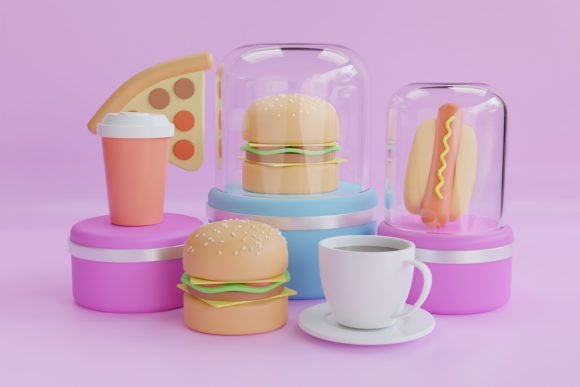
3D Realistic Render Fast Food Elements for Creative Projects
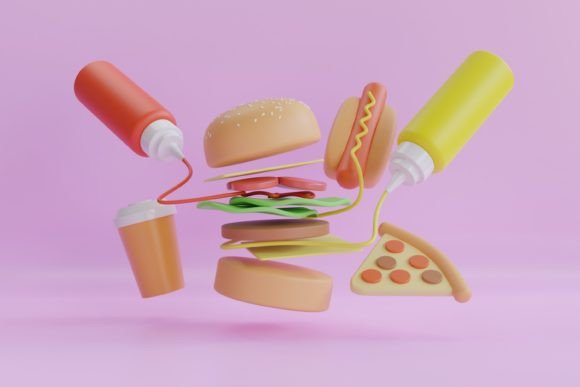
In the fast-paced world of design, having high-quality visual assets can make all the difference. 3D realistic render fast food elements are digital illustrations that bring the vibrant and mouth-watering appeal of popular fast foods to life with stunning detail and realism. These images are not only visually appealing but also incredibly versatile, making them a valuable tool for creators across various industries.
What Makes 3D Realistic Render Fast Food Elements Unique?
Unlike flat or cartoon-style graphics, 3D realistic renders offer depth, texture, and lighting effects that mimic real-world objects. When it comes to fast food, this means your burger looks juicy, fries appear crispy, and soft drinks glisten with condensation. This level of detail is achieved using advanced 3D modeling software and rendering techniques that simulate natural light and surface materials.
These elements are often delivered in common image formats like JPG and PNG, which makes them easy to integrate into a wide range of digital projects. PNG files typically include transparent backgrounds, allowing for seamless placement over any design or layout. Whether you're working on a website, mobile app, poster, or social media campaign, these visuals can enhance the overall appeal and authenticity of your content.
Creative Possibilities with 3D Fast Food Renders
The beauty of 3D realistic render fast food elements lies in their adaptability. Here are some creative ways designers and marketers can use them:
- Banner Design: Use a stack of golden-brown pancakes or a sizzling cheeseburger to create eye-catching banners for restaurants, cafes, or food delivery services.
- Website Mockups: Incorporate these elements into landing pages or homepages to highlight menu items, promotions, or brand identity in an engaging way.
- Promotional Materials: From flyers to email headers, 3D food renders add a professional and appetizing touch that can boost customer interest.
- UI/UX Interfaces: Icons and buttons featuring 3D fast food can help users navigate food-related apps or platforms intuitively and enjoyably.
- Posters and Menus: Showcase your restaurant’s signature dishes using lifelike visuals that speak louder than words.
- Social Media Content: Boost engagement by using these images in posts, stories, or ads that highlight new products or seasonal offers.
Design Variations and Styles
One of the best parts about using 3D realistic render fast food elements is the ability to customize them to suit different styles and needs. For example:
- Minimalist Approach: Place a single, well-lit element like a taco or pizza slice against a clean background to emphasize simplicity and elegance.
- Dynamic Layouts: Combine multiple food elements to create busy, colorful compositions that reflect the energy of a fast-food chain or street market.
- Flat vs. Realistic: While some projects may call for a more stylized look, others benefit from the hyper-realism that 3D renders provide. The choice depends on your brand's aesthetic and message.
- Seasonal Themes: Adapt the same core elements with color overlays or additional props (like snowflakes or palm trees) to match holidays or weather changes.
How Different Users Can Leverage These Elements
Whether you're a seasoned designer or someone just starting out, 3D realistic render fast food elements can be tailored to fit your unique goals and audience. Let's explore how different professionals might use them:
For Marketers and Advertisers
Marketers can use these images to build compelling campaigns that focus on taste, convenience, and lifestyle. A 3D render of a burger served with fries and a drink could illustrate a "meal deal" promotion. Pair it with bold typography and a clear call-to-action to drive sales and conversions.
Tip: Ensure the imagery aligns with your target audience's preferences. For health-conscious viewers, consider highlighting fresh ingredients or lighter options using the same realistic style.
For Web Developers and UI/UX Designers
If you're building a food ordering platform or a restaurant website, integrating 3D realistic render fast food elements can improve user experience. They can serve as hero images, loading screens, or interactive components. For instance, a rotating 3D burger model could be used to showcase product details without needing text-heavy descriptions.
Recommendation: Optimize file sizes before embedding them in websites or apps. Use tools like Adobe Photoshop or online compressors to maintain quality while ensuring fast load times.
For Bloggers and Educators
Bloggers and educators can use these images to make content more engaging and informative. In a post about nutrition or food science, a detailed 3D render of a sandwich can break down its layers and ingredients. Similarly, in a culinary blog, these visuals can complement step-by-step guides or recipes.
Ideas:
- Infographics explaining the journey of a meal from kitchen to table.
- Interactive learning modules for students studying food design or marketing.
- Food photography tutorials using 3D elements as examples for lighting and composition.
For Entrepreneurs and Small Business Owners
Entrepreneurs launching a food business or rebranding an existing one can leverage 3D realistic render fast food elements to visualize concepts before production. Use them to mock up packaging designs, logo placements, or even interior decor for a virtual restaurant tour.
Pro Tip: These elements work wonders in pre-launch marketing. Create a teaser video or carousel ad showing off your future menu items using 3D renders to generate excitement and anticipation.
For Freelancers and Hobbyists
Freelancers and hobbyists looking to expand their portfolio or personal projects can use 3D realistic render fast food elements to experiment with layout, branding, and storytelling. Try creating a themed series—like a retro diner or modern food truck—and see how the same set of elements can be styled differently to match each concept.
Challenge: Use a single food item in three different contexts: minimalist, festive, and commercial. This exercise helps build versatility in your design approach.
Practical Tips for Using 3D Fast Food Elements Effectively
To ensure your use of 3D realistic render fast food elements remains both impactful and professional, consider the following guidelines:
- Maintain Consistency: Choose a cohesive color palette and lighting style when combining multiple elements. This helps create a unified look across your project.
- Use Smart Composition: Balance scale and positioning so no single element overwhelms the design. Think about perspective and depth to guide the viewer’s eye naturally.
- Keep It Organized: Group related elements together and label them clearly if you’re using layered design files. This makes editing and repurposing easier later on.
- Test on Multiple Devices: Ensure your final output looks good on desktops, tablets, and smartphones. Resize and adjust accordingly to preserve clarity and impact.
- Stay Original: While using ready-made assets saves time, don’t forget to add your own creative twist—whether through filters, overlays, or custom text—to keep your designs unique.
Real-World Examples to Inspire You
Here are a few real-life applications where 3D realistic render fast food elements shine:
- Restaurant Website Homepage: A large-scale 3D render of a gourmet burger placed at the center of the page immediately communicates the menu's quality and variety.
- App Onboarding Screens: A simple yet vivid illustration of a pizza box sliding open reveals slices inside, helping users understand what they can expect from the app’s offerings.
- Email Newsletter Headers: A glowing cup of soda with ice cubes and a cherry can evoke thirst and urgency, encouraging clicks and engagement.
- E-commerce Product Pages: High-resolution 3D food elements can act as placeholders or prototypes until real photos are available, keeping the site visually consistent.
Where to Get These Assets
Many platforms offer 3D realistic render fast food elements in JPG and PNG formats. Look for reputable marketplaces like Shutterstock, Adobe Stock, or Elementor Templates. These resources often categorize elements by type, resolution, and license terms, making it easier to find exactly what you need.
When selecting assets, prioritize those with high resolution and proper licensing for your intended use. Always read the fine print to avoid issues with copyright or usage rights, especially when working on client projects or commercial ventures.
Adapting to Your Audience and Platform
Your use of 3D realistic render fast food elements should always align with who you're designing for and where the design will live. For example:
- Instagram: Use bright, saturated colors and dynamic angles to stand out in a feed full of scrolling content.
- LinkedIn: Go for a cleaner, more professional look with subtle branding and less clutter.
- Print Media: Ensure images are high DPI and compatible with CMYK color profiles to avoid printing issues.
- YouTube Thumbnails: Make sure the focal point is clear and the food elements are centered to catch attention quickly.
By tailoring the presentation of your 3D assets to the platform and audience, you increase the chances of your message being received and remembered.
Final Thoughts on 3D Realistic Render Fast Food Elements
3D realistic render fast food elements are more than just pretty pictures—they're powerful tools for communication, branding, and engagement. Their realism brings immediacy to your designs, while their flexibility allows for endless creativity. As long as you stay focused on your purpose and audience, you can transform these assets into something truly original and effective.
Next time you're brainstorming a new design project, consider how a 3D realistic render fast food element might elevate your work. Whether you're promoting a brand, teaching a class, or simply exploring new ideas, these visuals have the potential to inspire and inform in equal measure.