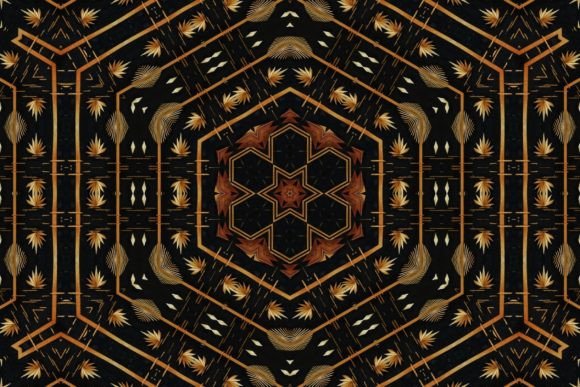
Artistic Strokes: Elevating Pattern Design with Modern Creativity
Pattern design is more than just a visual element—it's the heartbeat of many creative industries. Whether you're designing a 3D illustration for wallpaper, brainstorming interior decoration ideas, or exploring new embroidery and batik concepts, the right patterns can transform a space or product into something truly captivating. Enter Artistic Strokes, a concept that marries traditional artistry with contemporary digital tools to create intricate, meaningful, and aesthetically rich designs.
The Rise of Artistic Strokes in Contemporary Design
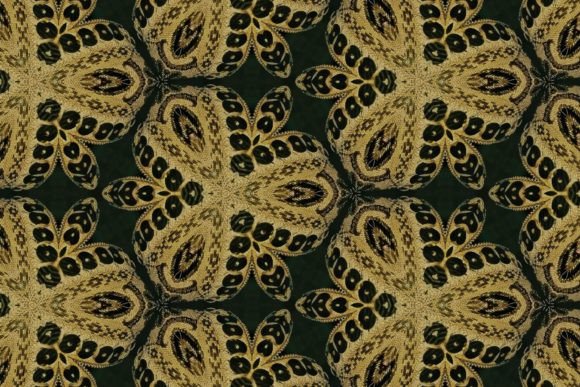
In today’s fast-paced design world, clients and consumers alike are seeking depth and originality. Artistic Strokes offers both by enabling designers to craft backgrounds, textiles, and themes that reflect cultural heritage while embracing modern trends. This technique allows for fluid transitions between styles—be it geometric precision, abstract expressionism, or ethnic motifs like Arabesque rugs or Moroccan textile prints.
With the growing interest in personalized interiors and bespoke fashion, pattern design has become a powerful tool for storytelling. Artistic Strokes helps professionals infuse their work with character and meaning, whether through a repeated motif on a Turkish carpet or a vibrant stripe ornament on a cover photo. These elements don’t just look good—they resonate emotionally and culturally with the audience.
3D Illustration and Wallpaper Design
3D illustration for wallpaper and theme design is experiencing a renaissance. No longer limited to flat, repetitive graphics, today’s wallpapers feature layered textures, depth, and dynamic lighting—all made possible through Artistic Strokes techniques. By using strokes as foundational elements, designers can create illusions of movement and dimension, making even small spaces feel larger and more immersive.
- Layered Effects: Using brush strokes as base layers gives texture and life to otherwise static wall designs.
- Cultural Nuance: Incorporating ethnic elements such as Arabesque rug textures or Moroccan tile patterns adds authenticity.
- Modern Aesthetics: Clean lines and bold strokes help align with minimalist and maximalist interior trends alike.
Interior Decoration Ideas with Pattern Design
When it comes to interior decoration, pattern design is king. The way we use color, shape, and repetition in our living environments has evolved significantly over the past decade. Today, people are gravitating toward homes that express personality, not just function. Artistic Strokes plays a key role in this shift by allowing designers to blend old-world charm with futuristic flair.
Imagine a living room where the walls are adorned with an abstract background design inspired by traditional batik. Or picture a bedroom with a mosaic floor featuring subtle geometric stroke patterns. These aren't just decorative choices—they're reflections of a homeowner's identity and taste.
- Use geometric stripe ornaments to add rhythm and structure to neutral spaces.
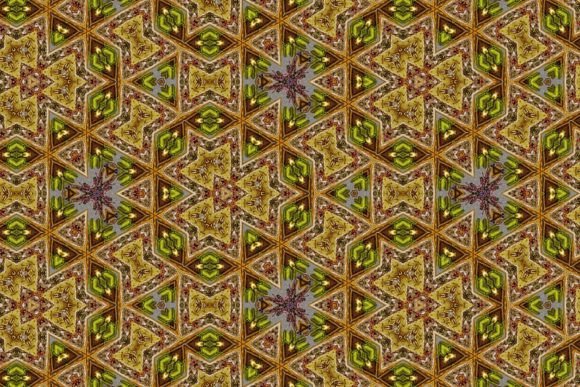
- Experiment with repeated pattern design for Moroccan-style textiles to evoke warmth and tradition.
- Incorporate Arabesque ethnic rugs as a focal point to bring cultural richness into your decor.
New Trends in Embroidery and Batik Concepts
Batik and embroidery have long been revered for their craftsmanship and symbolism. But with the rise of sustainable fashion and artisanal home goods, these techniques are being reimagined through Artistic Strokes. Designers are now blending hand-drawn inspiration with digital precision to produce unique patterns that honor heritage while appealing to modern sensibilities.
For example, batik-inspired prints are no longer confined to fabric alone. They’re appearing on 3D illustrations for wallpaper, digital canvases, and even as print work for t-shirts in urban fashion lines. This evolution makes it easier for brands to stay authentic yet innovative, offering products that stand out in a crowded market.
Why These Techniques Matter Now
Several factors are driving the renewed focus on pattern design and Artistic Strokes:
- Remote Work Influence: With more time spent at home, personalizing interiors has become a top priority for professionals and creatives.
- Social Media Appeal: Platforms like Instagram and Pinterest reward visually striking content, pushing creators to develop more artistic and cohesive themes.
- Consumer Demand for Uniqueness: People want to own and live in spaces that reflect their individuality—patterns are a perfect medium for self-expression.
- Technology Advancements: Tools like Adobe Illustrator, Procreate, and AI-assisted design software allow for faster experimentation and higher-quality outputs.
Designing for Function and Form
Patterns must serve both aesthetic and practical purposes. In interior design, a well-crafted pattern can guide the eye, create balance, or define zones within a room. On clothing, especially in Turkish fashion or global streetwear, patterns need to be wearable yet expressive. Here’s how Artistic Strokes supports these dual needs:
Functionality: When applied to floor tiles or carpets, repeated geometric patterns can make large areas appear more organized. For instance, a Turkish-style carpet with bold strokes and intricate shapes can anchor a room without overwhelming it.
Aesthetic Impact: An abstract trendy background design using Artistic Strokes can become the hero element in a branding campaign or website theme. It draws attention and sets the tone for the entire visual experience.
Real-World Applications
Let’s break down how Artistic Strokes and pattern design are being used across different mediums:
- Wallpaper Themes: Designers are creating 3D illustrated wallpapers with a mix of strokes and textures that mimic real-life materials like wood, stone, or ceramic.
- Mosaic Floors: Combining Artistic Strokes with mosaic design allows for custom flooring that tells a story—whether it's a serene landscape or a vibrant celebration of culture.
- T-Shirt Print Work: The trend of bold, statement prints continues to grow, and Artistic Strokes enables artists to experiment with line weight, contrast, and layering for standout results.
- Carpet Textures: In Turkish fashion and home décor, carpets with Arabesque ethnic rugs textures are being reworked using digital brushes to achieve a fresh, modern take.
How to Integrate Artistic Strokes into Your Workflow
Whether you're a marketer looking to enhance brand visuals or an entrepreneur launching a line of embroidered home goods, integrating Artistic Strokes into your workflow requires some thoughtful planning. Here are a few actionable steps:
- Start with Inspiration: Research traditional motifs from cultures like Moroccan or Turkish, and reinterpret them with modern stroke techniques.
- Experiment Digitally: Use vector-based tools to test variations of your pattern before finalizing the design for production.
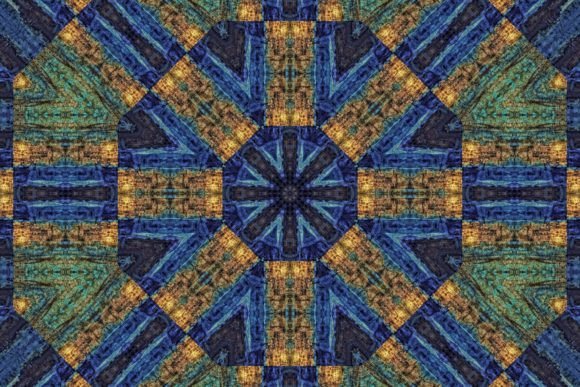
- Focus on Repetition: Create seamless repeats that maintain visual harmony without becoming monotonous. This is especially important for wallpaper and textile printing.
- Balance Boldness and Subtlety: While strong patterns make an impact, ensure they complement rather than compete with other design elements in the space or garment.
- Collaborate Across Disciplines: Work with illustrators, interior decorators, and textile artisans to expand your creative toolkit and bring diverse perspectives into your projects.
Tools and Resources for Pattern Design
To get started with Artistic Strokes and pattern creation, consider these platforms and methods:
- Adobe Illustrator: Ideal for creating scalable, repeatable patterns for print and digital use.
- Procreate (iPad): Great for sketching initial ideas and applying digital brush strokes with tactile feedback.
- Canva or Figma: Useful for prototyping and testing how patterns interact with layout and branding elements.
- AI-Powered Generators: Some platforms assist in generating pattern repeats or enhancing existing designs with automated tools.
Embracing Cultural Heritage Through Modern Design
One of the most compelling aspects of Artistic Strokes is its ability to bridge the gap between tradition and innovation. Ethnic patterns—like those found in Arabesque rugs or Moroccan textiles—are deeply symbolic. By using modern design practices to reinterpret these motifs, we preserve their essence while making them relevant to new audiences.
For example, a Turkish fashion designer might use Artistic Strokes to reimagine traditional tile patterns onto a contemporary dress silhouette. Similarly, an interior decorator could use batik-inspired strokes to create a custom wallcovering that nods to Indonesian artistry but fits seamlessly into a Scandinavian setting.
This cross-cultural approach not only broadens the appeal of pattern design but also supports ethical sourcing and cultural appreciation in the creative industry.
Case Study: A Trendy Interior with Repeated Patterns
A recent project in Marrakech showcased the power of Artistic Strokes in interior decoration. The designer used a repeated pattern based on traditional Moroccan textile prints but added a modern twist with bold, contrasting strokes and metallic accents. The result was a space that felt both grounded and avant-garde—perfect for a lifestyle blog or influencer shoot.
This case highlights how combining traditional motifs with contemporary techniques can lead to designs that are versatile and timeless. Such strategies are particularly effective when targeting international markets or niche communities interested in cultural authenticity.
Conclusion: The Future of Pattern Design
As we continue to see shifts in consumer behavior and technology, the demand for unique, high-quality pattern design will only increase. Artistic Strokes provides a flexible framework for meeting these demands, whether you're crafting a 3D illustration for a website theme, designing a t-shirt for a fashion line, or selecting a mosaic floor for a luxury home.
By understanding the emotional and functional value of pattern design, professionals can offer solutions that go beyond aesthetics. They can create experiences—through texture, repetition, and cultural resonance—that connect with users on a deeper level.
If you're ready to explore new possibilities in pattern design, start by experimenting with strokes. Let them guide your creativity and open up a world of interior decoration ideas, embroidery concepts, and textile innovations that speak to both the past and the future.