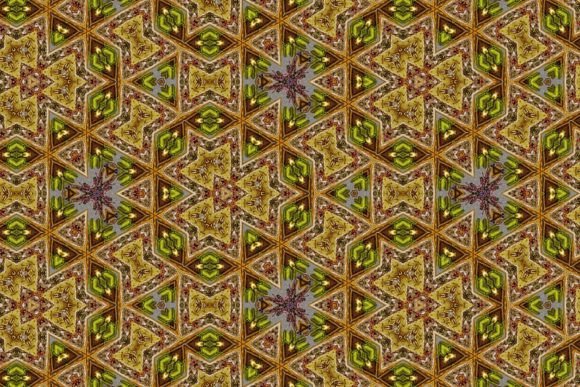
Textile Print Design: Creative Possibilities in Contemporary Patterns
Textile print design is more than just an art form—it’s a versatile tool that bridges creativity and functionality. Whether you're designing for fashion, home décor, or digital content, the right textile pattern can elevate your product from ordinary to extraordinary. In today's market, where aesthetics and personalization matter more than ever, understanding how to apply and adapt textile print designs is essential for creators, entrepreneurs, and hobbyists alike.
The Rise of Kaleidoscope and Mandala Textures in Modern Design
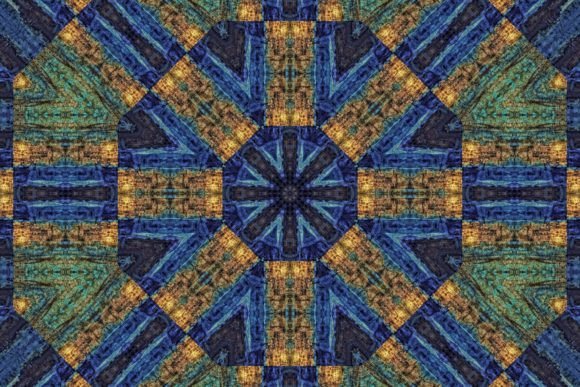
Contemporary textile print design often draws inspiration from nature, geometry, and cultural motifs. One popular trend is the use of kaleidoscope patterns—vibrant, symmetrical, and eye-catching designs that mimic the optical effects of a kaleidoscope. These are especially effective as background textures for websites, packaging, or promotional materials. They add depth and visual interest without overwhelming the viewer.
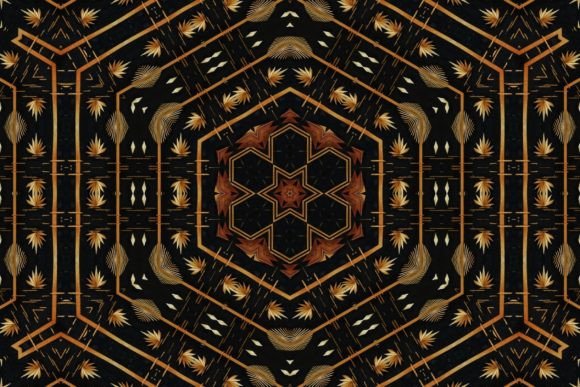
Mandala-inspired prints are another favorite among modern designers. Known for their spiritual roots and intricate detail, mandalas bring a sense of harmony and balance. When used in textiles, they can transform a simple scarf or yoga mat into a meditative experience. Both styles work well with 3D rendering techniques, allowing for rich, dimensional effects that stand out on everything from bath mats to sneakers.
Real-World Uses of Textile Print Design
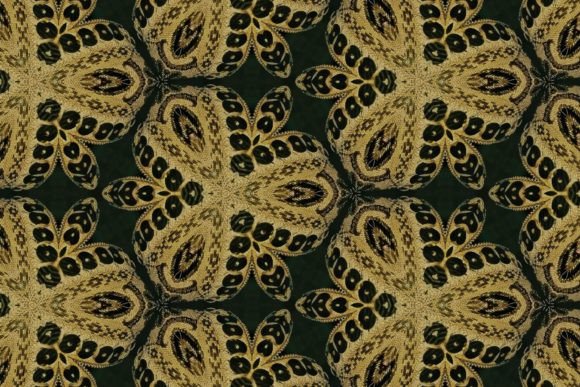
- Home Décor: A baroque-style textile print on a shower curtain or throw pillow can instantly give a room a luxurious feel. Retro and vintage patterns are also making a comeback, perfect for adding character to a space.
- Fashion Accessories: Scarf pattern textures are ideal for aprons, bandanas, and even sports bras. These designs allow for all-over prints that make bold statements while maintaining comfort and practicality.
- Digital Media: Website developers and bloggers love using textile-inspired backgrounds for headers and cover photos. The organic flow of these patterns adds warmth and personality to online spaces.
- Commercial Products: Entrepreneurs selling custom items like mugs, key chains, and luggage tags benefit greatly from unique textile print designs. These elements help products stand out in crowded markets.
Choosing the Right Pattern for Your Project
Selecting a textile print design isn’t just about picking something that looks good. It’s about considering the context in which it will be used. For example, if you're printing a pattern on a towel or carpet, durability and colorfastness become top priorities. On the other hand, if you're working on a phone case or visor, flexibility and clarity of the design take precedence.
Here are some things to consider when choosing or creating a textile print design:
- Scale and Repetition: Some patterns, like small-scale florals or geometric repeats, work better for subtle textures (e.g., tea towels), while larger, bolder designs suit statement pieces like tote bags or yoga mats.
- Color Palette: Think about the colors that resonate with your brand or project. A pastel mandala might fit a wellness-themed line of leggings, whereas a vibrant, retro palette could work wonders for a vintage-style sneaker collection.
- Printing Method: Not all patterns translate well to every material. Acrylic block printing, for instance, requires high contrast and bold outlines to ensure the design comes through clearly on fabric.
Use Cases Across Industries
For educators and publishers, textile print design can serve as an engaging teaching aid. Incorporating patterned elements into puzzles, coasters, or educational posters helps reinforce learning through tactile and visual engagement. Similarly, marketers can use these designs to create branded merchandise such as face masks, fanny packs, or table runners that subtly promote a business or event.
Freelancers and small business owners often turn to textile print design for personalized gifts and stationery. A custom-designed postcard with a retro or baroque texture can leave a lasting impression at trade shows or as part of a client portfolio. Likewise, printed tablecloths or napkins featuring unique patterns can enhance the ambiance of a café or boutique restaurant.
Designing for Different Surfaces and Materials
One of the beauties of textile print design is its adaptability. From soft fabrics like bedsheet or blankets to hard surfaces such as cutting boards or water bottles, the same pattern can be transformed to suit various applications. Here are some specific examples:
- Clothing: An all-over print on a dress or skirt can create a cohesive look, while a subtle logo element works better for neckties or pin buttons.
- Home Essentials: Printed on a bath mat or shower curtain, a contemporary kaleidoscope pattern adds a splash of color and style to any bathroom.
- Outdoor Gear: Backpacks and duffel bags with vintage or retro-inspired designs appeal to travelers who want both function and flair.
- Personal Items: Stickers, pouches, and sneaker designs with mandala or baroque themes can reflect individual style and taste.
How to Make the Most of Textile Print Design
Let’s say you’re launching a new line of eco-friendly clothing. You want your brand to feel grounded yet stylish. A baroque-inspired floral pattern on a cotton T-shirt or swimwear might achieve this. But what if you’re designing a yoga studio’s branding? Opting for a calming mandala design on a towel or visor can align with the mindfulness aspect of the business.
Another scenario: you’re a blogger looking to redesign your website. A gentle, repeating textile pattern in the background can soften the interface and make it more inviting. Pair it with a clean font and minimalist layout, and you’ve got a site that feels both modern and warm.
Practical Tips for Users and Creators
If you're not a designer but still want to experiment with textile print design, there are many tools and platforms available. Online design software allows you to upload a pattern and see how it looks on different items—like a sneaker or a pet blanket—before finalizing the production. This is especially helpful when testing trends such as 3D rendering wallpaper effects on cushions or carpets.
When downloading or purchasing pre-made textile designs, always check the resolution and scalability. A low-resolution image may appear pixelated when printed on a large surface like a carpet or flooring. Also, consider the file format; vector-based files (like SVG) are ideal for logos and stickers because they maintain quality at any size.
For those learning textile print design, start with simple projects. Try applying a basic geometric pattern to a coaster or a flip flop before moving on to more complex all-over prints for a sports bra or a table runner. Experiment with different textures and layering techniques to see what resonates best with your audience.
Connecting Design to Real Outcomes
Good textile print design doesn't just look nice—it sells. Take a look at brands that use bold, retro prints on their backpacks or tote bags. These designs speak to nostalgia and identity, helping customers connect emotionally with the product. A bandana with a vintage-inspired motif might attract collectors, while a sticker with a modern 3D-rendered pattern could catch the attention of tech-savvy users.
In the world of interior design, the choice of pattern can influence mood and perception. A baroque-style wallpaper might be perfect for a grand living room, while a soft, monochromatic textile pattern on a throw pillow brings sophistication to a cozy reading nook. Understanding these nuances helps in making informed decisions that align with your vision and goals.
Exploring Trends and Timeless Styles
While trends come and go, certain textile print styles remain timeless. Baroque and vintage designs have been reimagined for modern audiences, appearing on everything from face masks to cutting boards. At the same time, contemporary kaleidoscope patterns are gaining popularity due to their dynamic, colorful appeal.
Retro and 3D rendering styles are particularly useful for niche markets. If you're targeting a younger demographic, a bold, modern print on a sneaker or yoga mat might be the way to go. For a more mature or luxury-focused group, a detailed baroque or mandala design could offer the sophistication they crave.
Final Thoughts on Application and Creativity
No matter your background—whether you're a marketer, educator, or DIY enthusiast—textile print design offers endless possibilities. From small details like a luggage tag to large-scale items like a carpet or shower curtain, the right pattern can communicate your brand’s personality and values effectively.
Before investing in a design, ask yourself: Who is my audience? What message do I want to send? How will the pattern be viewed in real life? These questions will guide you toward choices that are both visually appealing and strategically sound. With thoughtful application, textile print design can become a powerful asset in your creative toolkit.