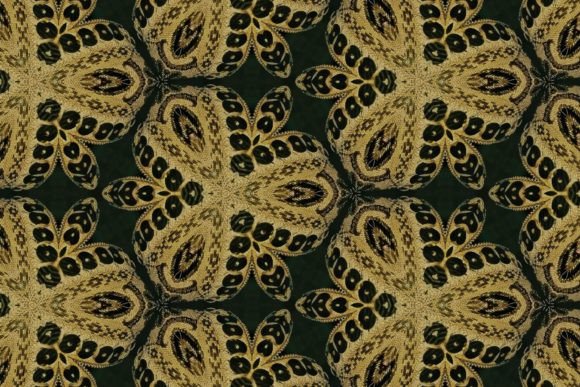
Ethnical Embroidery and Batik Concept: Timeless Art for Modern Design
Ethnical Embroidery and Batik Concept is a rich fusion of traditional textile techniques that has found new life in contemporary design. Rooted in cultural heritage, these art forms offer a unique blend of symbolism, craftsmanship, and aesthetic appeal. Whether you're an interior designer, a digital artist, or someone looking to add depth and character to branding materials, Ethnical Embroidery and Batik provide a versatile foundation for creativity.
Understanding the Core Elements
Ethnical embroidery refers to hand-stitched decorative techniques passed down through generations in various cultures around the world. Each region contributes its own motifs, colors, and stitches—be it the floral patterns of Moroccan Zellige, the geometric precision of Turkish rugs, or the intricate threadwork of Indonesian textiles. These designs often tell stories, symbolize prosperity, or reflect spiritual beliefs.
Batik, on the other hand, is a wax-resist dyeing technique used to create detailed fabric patterns. Originating from Indonesia, Batik uses natural dyes and precise wax application to produce layered, vibrant designs. The combination of these two methods opens up a world of possibilities for artists and designers seeking authenticity and visual impact.
Mystical Pattern Design as a Background Element
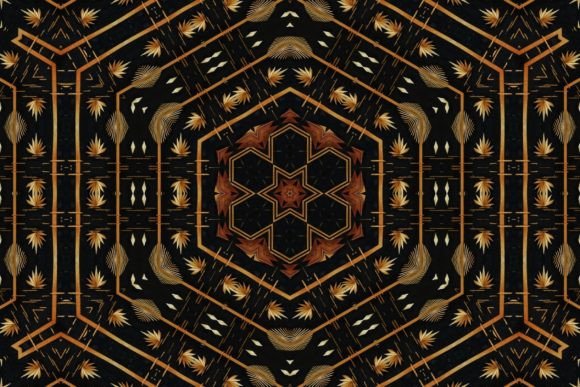
One of the most compelling applications of Ethnical Embroidery and Batik is in mystical pattern design for backgrounds. These designs can transform a simple interface into something evocative and immersive. Imagine using a digitally rendered Batik-inspired background with embroidered details subtly woven in to elevate the look of a website landing page or app UI.
- Websites: A mystical Batik background can evoke a sense of tradition and luxury. It works especially well for cultural tourism sites, artisan brands, or storytelling platforms.
- User Interfaces: Subtle Ethnical Embroidery overlays on buttons or navigation bars can add warmth without cluttering the design.
- Cover Photos: For social media or event promotions, a batik-embroidery hybrid can communicate elegance and global inspiration.
Design Tips for Digital Use
To maintain clarity while embracing complexity, keep the following in mind:
- Use low opacity for background layers so they don’t overpower text or images.
- Opt for monochrome or muted versions when working with modern color palettes.
- Incorporate negative space to highlight key content areas.
3D Illustration Art: Bringing Tradition to Life
The marriage of Ethnical Embroidery and Batik with 3D illustration art allows for stunning visual storytelling. Artists can sculpt intricate Batik patterns onto digital surfaces, or layer embroidered textures over 3D models to simulate ancient craftsmanship in a futuristic context.
For instance, a 3D illustration of a mythical creature could be draped in a Batik-patterned robe with embroidered detailing along the seams. This approach not only adds texture but also invites viewers to engage with the story behind each motif.
Tools and Techniques for 3D Artists
Blender and Adobe Dimension are excellent tools for integrating these elements into 3D work. You can use high-resolution scans of real Batik fabrics or vector-based embroidered patterns to apply realistic textures. Don’t forget to experiment with lighting and shadows to enhance the tactile feel of the designs.
Interior Carpet Decoration Ideas Inspired by Ethnical Embroidery and Batik
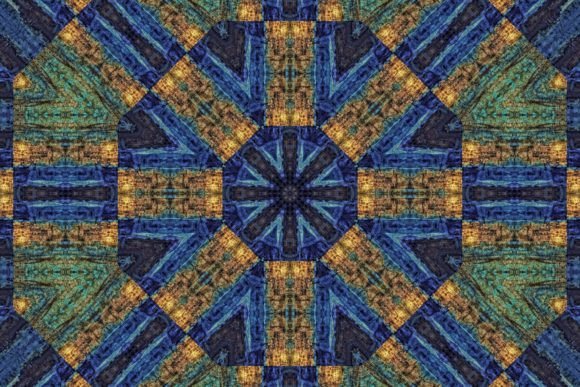
Floor coverings serve as a canvas for Ethnical Embroidery and Batik concepts. By drawing from Turkish patterns, which are known for their symmetry and bold geometry, carpet designs can become focal points in any room. Batik’s fluid, organic shapes contrast beautifully with structured embroidery motifs, offering a dynamic visual experience.
Consider creating custom carpets where the Batik base represents water or sky, and embroidered details like birds, stars, or floral symbols float above. Such combinations can make a living space feel both grounded and ethereal.
Practical Applications in Interior Spaces
- Living Rooms: Large area rugs with Batik-inspired swirls and embroidered accents can anchor the space and add cultural depth.
- Bedrooms: Smaller, cozier rugs with subtle mystical motifs can create a calming atmosphere.
- Commercial Spaces: Office lobbies or boutique hotels can use these designs to express identity and sophistication.
Wallpaper and Wall Mural Concepts
Transform walls into immersive experiences by incorporating Ethnical Embroidery and Batik into wallpaper and mural designs. Think of a wall mural that mimics a grand Persian carpet or a repeating Batik pattern that flows across multiple rooms. These designs can be printed in large formats or even painted by hand for a truly bespoke finish.
When designing for interiors, balance is key. Choose a dominant pattern style and let it shine with appropriate scale and placement. For example, a Batik-style wallpaper with embroidered details in metallic threads can add shimmer and dimension without overwhelming the space.
Choosing the Right Color Palette
Traditional Batik often features earthy tones and deep indigos, while Ethnical Embroidery might lean toward warm golds and reds. Mixing these palettes can lead to visually striking results. However, ensure that your final design complements existing furniture and décor rather than clashing with them.
Business Card, Flyer, and Brochure Printing Ideas
Small-scale print projects like business cards, flyers, and brochures can benefit immensely from Ethnical Embroidery and Batik designs. These elements help establish a brand's identity and evoke a sense of history and authenticity.
A boutique clothing brand might feature a small Batik pattern in the corner of a business card, paired with an embroidered logo. Similarly, a textile industry flyer can showcase variations of traditional motifs alongside product offerings to attract culturally conscious consumers.
Production Considerations
Always request high-resolution mockups before printing. If you’re using scanned fabric textures, ensure they’re clean and scalable. When combining Batik and embroidery styles, test how they interact under different lighting conditions and paper finishes. Matte stock often enhances the subtlety of Batik, while embossed or foil treatments can bring out the richness of embroidered details.
Turkish Pattern Design for Tiles, Fabric, and More
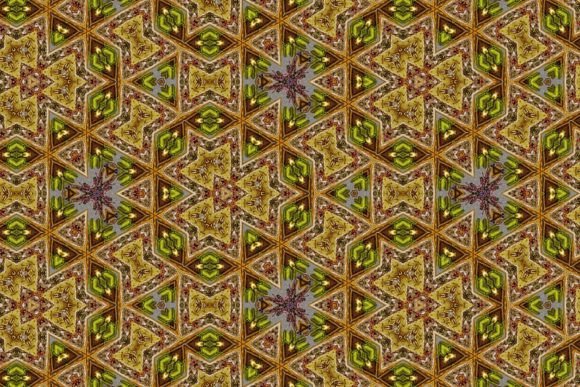
Turkish pattern design is particularly adaptable for tiles, fabric, and even digital assets. Its roots lie in Islamic art, which emphasizes intricate repetition and geometric harmony. When fused with Ethnical Embroidery and Batik, the result is a seamless blend of old-world charm and modern versatility.
Tile murals inspired by Turkish motifs can be reimagined with Batik-like gradients and embroidered flourishes. In fabric, this fusion can yield stunning home décor items like cushions, curtains, and table runners.
Customization for Different Markets
Marketers and entrepreneurs can tailor these designs for niche audiences:
- Luxury Homes: Offer custom tile sets with Batik-inspired backdrops and embroidered borders.
- Textile Industry: Create line collections that reinterpret traditional Turkish patterns with a contemporary twist.
- Event Decor: Use fabric swatches with mixed Batik and embroidery designs for themed weddings or festivals.
Decorative Luxury Background with Rope Structure
A decorative luxury background featuring a rope structure introduces a tactile element to visual design. This concept can be enhanced with Ethnical Embroidery and Batik motifs woven into the ropes themselves. Imagine a digital brochure with a background resembling intertwined ropes, accented with embroidered flowers or Batik dots—this adds a three-dimensional feel and draws attention to premium products or services.
This type of background works especially well in fashion, hospitality, and lifestyle industries. It conveys craftsmanship, durability, and exclusivity all at once.
Implementation Strategies
When applying a rope-structure background:
- Start with a solid base—either a digital render or a photo of real ropes.
- Overlay Batik or embroidered patterns as subtle textures or highlights.
- Test the design in black and white to ensure it maintains its visual interest without color.
Adapting Ethnical Embroidery and Batik Across Formats
Designers and creators can adapt these elements for various goals and audiences. Here are some format-specific ideas:
Web Design
Use Batik-inspired backgrounds for hero sections or about pages. Add embroidered icons for interactive elements like contact info or menu toggles. These touches create a cohesive yet distinctive look that stands out in a sea of minimalist websites.
Print Media
Brochures and posters for cultural events or artisan fairs can leverage both techniques. Batik can form the backdrop, while embroidered elements highlight key information such as dates or venue details. The contrast between soft gradients and sharp stitching helps guide the viewer’s eye naturally.
Branding and Packaging
Integrate Batik and Ethnical Embroidery into logos, packaging wraps, or label designs. A local coffee shop could use Batik patterns on their cups and embroidered tags on their reusable bags. This builds a strong, memorable brand image rooted in culture.
Encouraging Originality and Consistency
While Ethnical Embroidery and Batik offer a wealth of traditional motifs, it’s important to infuse originality into your adaptations. Reinterpret classic patterns using modern tools and perspectives. For example, abstract the geometry of Turkish designs into simpler forms for a more contemporary audience.
Consistency is equally vital. If you choose to incorporate Batik in your branding, maintain the same color schemes and motifs across all platforms. This strengthens recognition and reinforces your creative vision.
Collaboration Opportunities
Consider partnering with artisans or cultural experts to ensure respectful and accurate representation. This not only enriches your work but also supports ethical sourcing and preservation of traditional crafts. Collaborations can inspire new design hybrids and expand your creative toolkit.
Conclusion
Ethnical Embroidery and Batik Concept offer timeless beauty and endless creative potential. From digital illustrations to physical interiors, these techniques can be adapted to suit a wide range of needs and tastes. Their intricate details and cultural significance make them powerful tools for storytelling and brand expression.
As you explore these design directions, remember to stay true to your purpose. Whether you're aiming for luxury, warmth, or a connection to heritage, let the essence of Ethnical Embroidery and Batik guide your choices. With thoughtful integration, you can craft visuals that resonate deeply and stand apart in today’s design landscape.